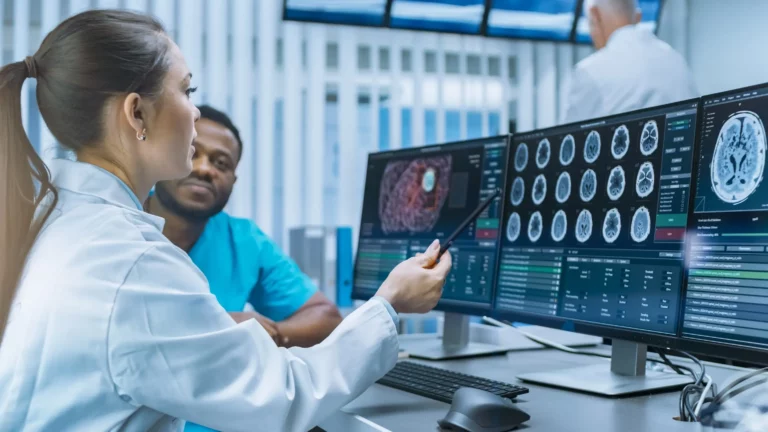
The Unprecedented Power: The Benefits of Current Medical Information
We live in the Information Age, and nowhere is the rapid availability of knowledge more transformative than in the medical field. The term “current medical information” refers not just to the latest drug trials or surgical techniques, but to the entire, constantly updated, evidence-based global knowledge base—from sophisticated genomic data and large-scale epidemiological studies to best-practice clinical guidelines.

The immediate access to this wealth of information has revolutionized healthcare, fundamentally changing how decisions are made, how patients are treated. And how the entire healthcare system operates. The benefits extend far beyond the operating room, creating a cascade of improvements that enhance patient safety, accelerate research, and promote global health equity.
1. Elevating Clinical Decision-Making and Patient Safety
For healthcare providers, current medical information is the essential foundation of Evidence-Based Practice (EBP). This shift away from reliance on tradition or anecdote is arguably the single greatest benefit of modern data access.
- Diagnosis and Treatment Precision: Physicians can quickly access the latest diagnostic criteria and the most effective, validated treatment protocols for rare or complex conditions. For instance, a doctor treating a patient with an uncommon form of cancer can immediately retrieve global consensus guidelines on targeted therapies, rather than relying solely on local institutional experience. This immediate access dramatically reduces diagnostic errors and improves the chances of successful outcomes.
- Reducing Medical Errors: Up-to-the-minute information, often integrated directly into Electronic Health Records (EHRs) through clinical decision support systems, provides crucial safety checks. Alerts about drug-drug interactions, appropriate dosing for specific patient demographics, and contraindications are immediately flag. Preventing medication errors—a leading cause of patient harm.
- Standardized Care: Access to current information allows hospitals and health systems to standardize care pathways. When all practitioners follow the most recent, evidence-backed guidelines, variation in treatment decreases, leading to more predictable. And consistently better patient safety across a system.
2. Accelerating Medical Research and Innovation
Current medical information acts as both the fuel and the compass for the entire research enterprise. By sharing results rapidly, the pace of discovery is exponentially increase.
- Avoiding Redundancy: Researchers can instantly search global databases to determine what has already been studied, avoiding costly and time-consuming duplication of effort. This allows them to focus resources on truly novel questions and underserved areas.
- Data Synthesis and Meta-Analysis: The sheer volume of current information facilitates powerful meta-analyses—statistical methods that combine the results of multiple independent studies. By pooling data from thousands of patients worldwide. Rsearchers can draw conclusions with much greater statistical power and confidence than any single study could achieve. This synthesis is critical for confirming treatment efficacy and safety.
- Rapid Response to Crises: The COVID-19 pandemic demonstrated the vital need for rapid information sharing. The unprecedented speed with which genomic sequences were shared, clinical trial results were published (often through pre-print servers before formal peer review). And treatment protocols were disseminated globally was directly responsible for the rapid development of vaccines and life-saving treatments.
3. Empowering Patients and Promoting Health Literacy
Current medical information is no longer confined to academic journals; it is readily available to the public, fundamentally changing the patient-provider dynamic.
- Informed Patient Participation: Patients today are often proactive participants in their own care. They can research their conditions, understand their treatment options, and ask pointed questions based on information they have accessed. This shared knowledge fosters a more collaborative relationship between the patient and the provider, moving away from a hierarchical model.
- Health Literacy and Prevention: Public access to current, accurate health information—often curated by reputable health organizations—empowers individuals to make better choices about diet, exercise, and preventative screenings. Understanding the true risks associated with behaviors like smoking. Or the benefits of vaccines directly supports public health campaigns and reduces the overall burden of preventable diseases.
- Navigating Complex Systems: Access to current information helps patients understand their rights, navigate complex insurance and billing processes. And find the best specialists or facilities for their specific needs, reducing the stress and confusion often associated with serious illness.
4. Enhancing Global Health Equity and Capacity Building
The digital dissemination of current medical information is a powerful tool for bridging the knowledge gap between high-resource and low-resource settings.
- Democratizing Knowledge: A doctor or clinical officer working in a remote rural clinic now has instant access to the same current protocols. Surgical videos, and diagnostic algorithms as a professor in a major teaching hospital through mobile devices and digital libraries. This democratizes medical knowledge, improving the quality of care delivered in underserved areas.
- Remote Education and Training: Current information is the basis for continuous medical education (CME). Tele-education and virtual training modules allow healthcare workers globally to stay current with the latest techniques. And mandatory skill updates without the expense and time required for international travel. This capacity building is crucial for strengthening health systems worldwide.
Conclusion: Sustaining the Knowledge Flow
The benefits of current medical information are immense, acting as a force multiplier for quality, safety, research, and equity in healthcare. However, these benefits are dependent on the continued commitment to rigorous research, transparent publication, and robust digital infrastructure.
The challenge now lies in managing the sheer volume of data, ensuring information is filtered for quality and validity (combating misinformation). And integrating it seamlessly into clinical workflows. By maintaining the integrity of the knowledge pipeline and ensuring its accessibility to everyone—from the leading scientist. To the individual patient—we secure the foundation for a healthier future for the entire global population.