Your Kidneys Are the Unsung Heroes of Your Body
Think about the most vital organs in your body. Your heart, lungs, and brain probably come to mind first. But there’s another pair of powerful, often-overlooked organs working tirelessly behind the scenes: your kidneys. These small, bean-shaped organs are the body’s ultimate filtration system, and keeping them healthy is crucial for your overall well-being.
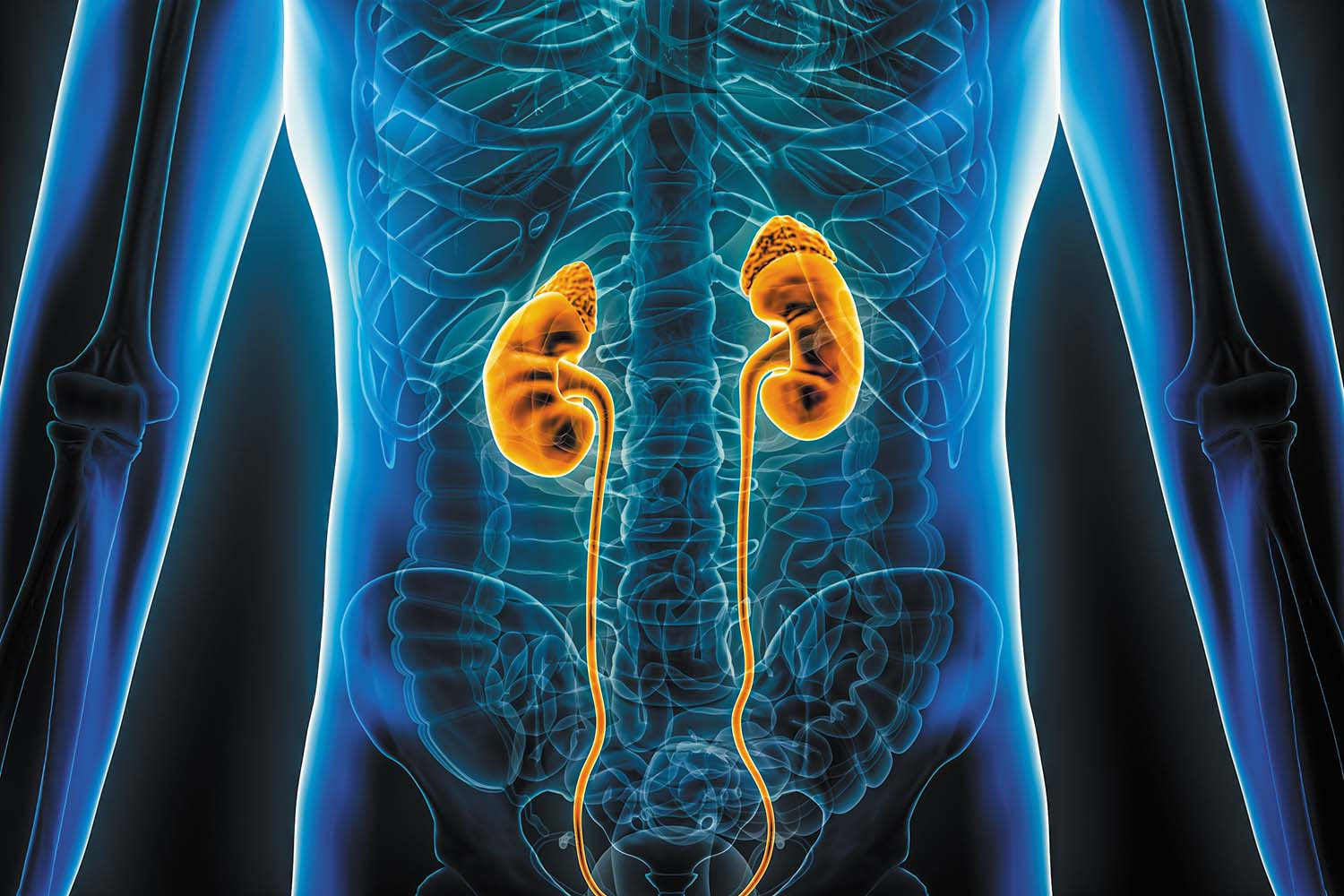
Located just below your ribcage on either side of your spine, your kidneys perform a variety of essential functions. They filter about a half cup of blood every minute, removing waste, toxins, and excess fluid. They also produce hormones that regulate blood pressure, help produce red blood cells, and keep your bones strong. With all that on their plate, it’s no surprise that giving your kidneys some love is a smart move.
Understanding the Threats to Kidney Health
Several factors can put your kidneys at risk. Chronic conditions like diabetes and high blood pressure are the two leading causes of kidney disease. Uncontrolled blood sugar can damage the tiny blood vessels in the kidneys, impairing their ability to filter blood. Similarly, high blood pressure can constrict and narrow the blood vessels, leading to kidney damage over time.
Other risk factors include a family history of kidney disease, obesity, and smoking. A diet high in sodium and processed foods can also put a strain on your kidneys, forcing them to work harder to maintain a healthy balance of fluids and minerals in your body.
5 Simple Habits for Healthier Kidneys
Taking care of your kidneys doesn’t require a radical lifestyle change. In fact, some of the most effective strategies are simple, everyday habits that benefit your entire body.
1. Stay Hydrated
This is perhaps the most important tip. Water helps your kidneys flush out sodium, urea, and toxins. When you don’t drink enough water, your kidneys have to work harder to concentrate urine, which can increase the risk of kidney stones. The general recommendation is about 8 glasses of water a day, but this can vary based on your activity level and climate. A good rule of thumb is to check your urine color; a pale yellow indicates you’re well-hydrated, while a dark yellow means you should drink more water.
2. Eat a Kidney-Friendly Diet
What you eat directly impacts your kidney health. Focus on a diet rich in fruits, vegetables, and whole grains. Reduce your intake of processed foods, which are often high in sodium, and limit red meat. A DASH (Dietary Approaches to Stop Hypertension) diet or the Mediterranean diet are great examples of eating plans that are good for your kidneys and your heart. Instead of adding salt, season your food with herbs and spices like garlic, turmeric, and black pepper.
3. Manage Blood Sugar and Blood Pressure
If you have diabetes or high blood pressure, managing these conditions is the single most effective way to protect your kidneys. Follow your doctor’s recommendations for medication and monitoring. Regular exercise, a healthy diet, and stress management can also help keep these numbers in check.
4. Exercise Regularly
Physical activity can help manage blood pressure, control weight, and improve overall circulation—all of which are great for your kidneys. You don’t have to become a marathon runner; even a 30-minute brisk walk five days a week can make a significant difference. Find an activity you enjoy, whether it’s cycling, swimming, or dancing, and make it a regular part of your routine.
5. Be Mindful of Over-the-Counter Medications
While they seem harmless, certain over-the-counter pain relievers, specifically Nonsteroidal Anti-Inflammatory Drugs (NSAIDs) like ibuprofen and naproxen, can be harmful to your kidneys if used regularly over a long period. If you frequently need pain relief, talk to your doctor about safer alternatives.
When to See a Doctor
Early kidney disease often has no symptoms. This is why it’s sometimes called a “silent disease.” If you have any risk factors, such as diabetes, high blood pressure, or a family history of kidney failure, it’s important to get regular check-ups. A simple urine or blood test can detect early signs of kidney damage.
Symptoms like changes in urination, swelling in your ankles or feet, fatigue, or shortness of breath could be signs of advanced kidney disease. Don’t ignore these signals—consult a healthcare professional right away.
Conclusion: A Little Effort Goes a Long Way
Your kidneys are the silent workhorses of your body, keeping everything in balance without a single complaint. By adopting a few healthy habits, you can support them in their vital work. Staying hydrated, eating well, managing underlying health conditions, and getting regular exercise are powerful ways to protect your kidney health and ensure these incredible organs continue to serve you well for years to come. Start small, be consistent, and give your kidneys the care they deserve.