Global Health: A Shared Destiny in an Interconnected World
In the modern era, the health of any single nation is inextricably linked to the health of every other. The concept of Global Health is more than just the sum of local health issues; it is a field of study, research, and practice that prioritizes improving health and achieving equity in health for all people worldwide. It recognizes that health problems transcend national boundaries and are best address through cooperative, international actions.

The challenges facing global health are immense and constantly evolving, ranging from ancient scourges like malaria and tuberculosis to modern crises like climate change and pandemic preparedness. Understanding global health requires acknowledging that disease knows no borders, and that our collective well-being depends on robust, resilient health systems everywhere.
The Evolution from International Health to Global Health
Historically, the focus was on International Health, which primarily involved one nation (often a wealthy, developed one) assisting another (often a poorer, developing one) to control endemic diseases. This approach was characterized by aid, bilateral agreements, and a top-down structure.
Global Health, however, represents a paradigm shift.
- Interconnectedness: It recognizes reciprocity. Health threats, like antimicrobial resistance or a novel virus, move globally via travel and trade, affecting all nations equally.
- Equity: The central pillar of global health is the achievement of health equity. This means ensuring that everyone has a fair and just opportunity to attain their highest level of health, regardless of where they were born, their social status, or their economic means.
- Multidisciplinary Approach: It moves beyond medicine to incorporate sociology, economics, politics, environmental science, and human rights. Tackling diseases like HIV/AIDS, for example, requires not just drug therapy but also addressing poverty, stigma, and legal barriers.
Key Challenges Defining the Global Health Agenda
The global health landscape is shaped by several persistent and emerging challenges that demand coordinated global responses.
1. The Double Burden of Disease
Many low- and middle-income countries face a “double burden” of disease:
- Communicable Diseases: Persistent threats from infectious agents such as HIV/AIDS, malaria, and tuberculosis (TB) continue to devastate communities, particularly in Africa and Southeast Asia. These diseases often thrive in conditions of poverty, poor sanitation, and weak healthcare infrastructure.
- Non-Communicable Diseases (NCDs): Simultaneously, the rise of chronic conditions like cardiovascular disease, cancer, diabetes, and chronic respiratory illnesses is rapidly accelerating globally. Driven by lifestyle changes, urbanization, and aging populations, NCDs are now the leading cause of death worldwide, including in many developing nations.
2. Health Security and Pandemic Preparedness
The COVID-19 pandemic served as a stark, costly reminder that health security is national security. The speed with which SARS-CoV-2 spread demonstrated the fragility of global systems and the devastating economic and social costs of insufficient preparedness.
Effective global health governance requires:
- Robust Surveillance: Establishing efficient, real-time disease detection and reporting systems (often managed under the World Health Organization’s International Health Regulations).
- Equitable Vaccine Access: Ensuring that medical countermeasures, like vaccines and treatments, are distributed fairly to all countries to prevent new variants from emerging in unprotected populations.
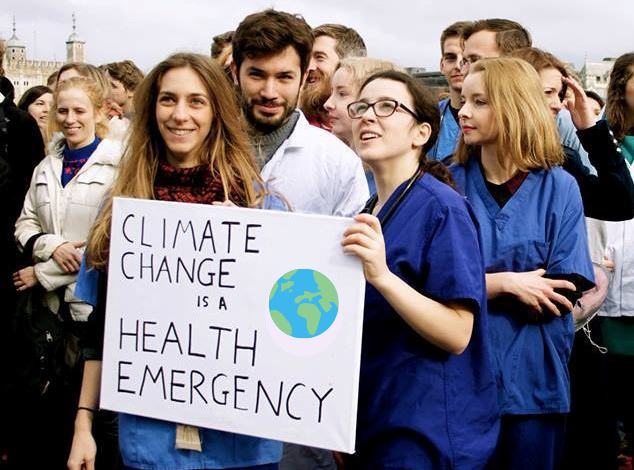
3. Climate Change and Environmental Determinants
Environmental factors are increasingly recognized as fundamental determinants of health. Climate change is fueling health crises by:
- Increasing Heat-Related Illnesses: Leading to heat strokes and cardiovascular stress.
- Altering Vector Distribution: Expanding the geographical range of disease-carrying insects (vectors), leading to higher incidence of dengue, Zika, and malaria in new regions.
- Displacing Populations: Creating refugees who face elevated risks of infectious disease and malnutrition in temporary settlements.
Addressing climate change is now a critical component of global health strategy.
The Role of Partnerships and Financing
No single entity can solve the complex problems of global health. Success relies on robust partnerships between:
- Governments and Multilateral Organizations: Agencies like the World Health Organization (WHO), the World Bank, and UNICEF set norms, mobilize resources, and provide technical guidance.
- Public-Private Partnerships (PPPs): Organizations such as Gavi, the Vaccine Alliance, and the Global Fund to Fight AIDS, Tuberculosis and Malaria pool resources from governments, foundations, and corporations to maximize impact on specific diseases.
- Civil Society and Academia: Non-Governmental Organizations (NGOs) and research institutions play vital roles in service delivery, advocacy, and developing innovative solutions tailored to local contexts.
Financing remains a critical bottleneck. Sustained commitment to Official Development Assistance (ODA), coupled with efforts to strengthen domestic financing for health in developing nations, is essential to build sustainable, primary healthcare systems.
Conclusion: Investing in Health for Economic Prosperity
Global Health is not merely a humanitarian concern; it is a profound economic and political necessity. When populations are healthy, children can attend school, adults can work productively, and nations can thrive. Conversely, outbreaks and chronic disease burdens deplete human capital, strain budgets, and destabilize governments.
The goal of Global Health—achieving the Sustainable Development Goal 3 (SDG 3), which is to “Ensure healthy lives and promote well-being for all at all ages”—requires persistent collaboration, equitable resource distribution, and a commitment to innovation. By investing in resilient health systems and addressing the root social and environmental determinants of health, the global community invests directly in its own stability and prosperity. Our shared health destiny demands that we continue to work together to safeguard the well-being of every person on the planet.