The Power of Partnership: Coalitions for Global Health Action
In the fight against global health challenges—from pandemics and persistent infectious diseases to the rising tide of non-communicable illnesses—no single government, corporation, or non-profit organization possesses the resources or expertise to succeed alone. This realization has driven the rise of Coalitions for Global Health, complex, multi-sectoral partnerships that pool diverse resources, expertise, and political influence to achieve common health goals that transcend national and organizational boundaries.
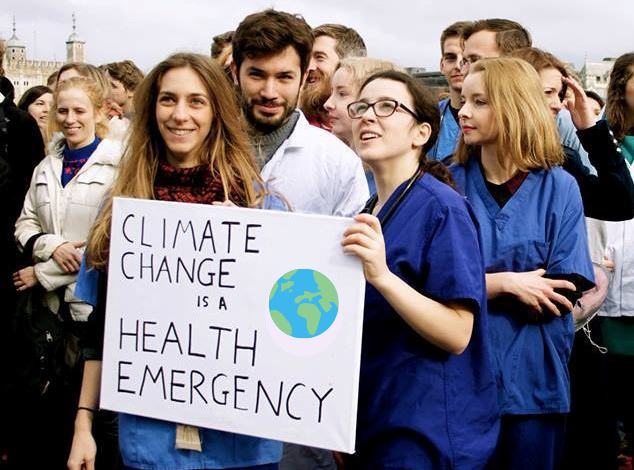
These coalitions are the necessary architecture of modern global health governance. They represent a pragmatic acknowledgment that the most stubborn health crises require coordinated action from governments, private industry, civil society, philanthropic foundations, and scientific communities. Understanding these alliances is key to grasping the mechanism by which large-scale, sustainable health impact is achieve worldwide.
The Imperative for Collective Action
Why are coalitions essential in global health, an area already overseen by large multilateral bodies like the World Health Organization (WHO)?
1. Resource Mobilization and Scale
Global health issues, particularly those requiring massive infrastructure investment (like vaccine delivery or disease eradication), demand funding that exceeds the capacity of individual nation-states or even the WHO’s core budget.
- Financial Leveraging: Coalitions, particularly those involving major philanthropic foundations (like the Bill & Melinda Gates Foundation) and high-income governments, can mobilize and allocate billions of dollars. They successfully leverage public and private funds for maximum impact.
- In-Kind Resources: Beyond money, coalitions mobilize critical in-kind resources, such as the logistics expertise of shipping companies, the scientific data of pharmaceutical firms, and the community trust built by local non-governmental organizations (NGOs).
2. Bridging the Gaps in Expertise
Health crises are rarely solved by medical science alone. They require sociological, political, economic, and technological inputs. Coalitions naturally bridge these diverse professional silos.
- From Lab to Patient: A coalition can link a biotech company developing a vaccine (science) with a global logistics firm for cold chain delivery (logistics) and local NGOs for community trust and distribution (sociology). This integrated approach is essential for turning a laboratory discovery into a public health success.
3. Political Advocacy and Governance
Coalitions wield significant collective political weight, enabling them to advocate for policy changes, secure political commitments, and ensure accountability at the highest levels of government. They transform global health from a humanitarian footnote into a political priority.
Models of Successful Global Health Coalitions
The global health landscape is punctuated by several highly successful coalition models, demonstrating the power of focused, multi-stakeholder governance.
1. The Global Fund to Fight AIDS, Tuberculosis and Malaria
Perhaps the most iconic example of a results-oriented coalition, The Global Fund pools resources from governments, the private sector, and donors to combat three of the world’s most devastating infectious diseases.
- Structure: It operates as a financing mechanism, not an implementing agency. It channels funds directly to country-led programs, emphasizing local ownership and measurable outcomes.
- Impact: It has saved tens of millions of lives by providing antiretroviral therapy, insecticide-treated nets, and TB treatments, demonstrating the enormous scale achievable through pooled financing.
2. Gavi, the Vaccine Alliance
Gavi is a public-private partnership focused on improving access to new and underused vaccines for children living in the world’s poorest countries.
- Innovation: Gavi pioneered the Advanced Market Commitment (AMC), a unique financing model that guarantees demand and pricing for future vaccines, incentivizing pharmaceutical companies to develop and produce vaccines needed in developing countries.
- Partners: Its core partners include the WHO, UNICEF, the World Bank, pharmaceutical companies, and donor governments.
3. CEPI (Coalition for Epidemic Preparedness Innovations)
CEPI was formed specifically in response to the Ebola and Zika crises to accelerate the development of vaccines against future epidemic threats.
- Focus: It addresses the critical gap between outbreak identification and vaccine availability, funding research and development for “priority pathogens.” Its work was foundational to the rapid COVID-19 vaccine response.
Challenges to Coalition Effectiveness
Despite their success, coalitions face persistent challenges inherent to multi-stakeholder governance:
- Navigating Divergent Interests: Coalition members often have conflicting motives—corporations seek profit, governments seek political stability, and NGOs seek equity. Balancing these interests requires constant negotiation and strong, neutral leadership.
- Sustainability of Funding: Many coalitions rely heavily on voluntary contributions, making them vulnerable to donor fatigue and shifting political priorities.
- Avoiding Duplication: Coordinating action to ensure coalitions complement, rather than duplicate, the work of established bodies like national ministries of health is a continuous organizational requirement.
Conclusion: The Future of Global Health is Collaborative
Coalitions for Global Health are a defining feature of 21st-century public health. They prove that the world’s most complex health crises cannot be solved unilaterally but must be addressed through carefully constructed, collaborative frameworks. By successfully combining political will, philanthropic capital, scientific innovation, and community action, these partnerships move beyond the theoretical recognition of a global problem to the practical implementation of global solutions. As future threats—like climate-driven disease migration and antimicrobial resistance—emerge, the necessity for robust, coordinated, and well-funded coalitions will only grow.