Navigating the Complex and Interconnected World of Global Health
Global health is more than just the health of people around the world; it’s an integrated system where the well-being of one nation directly affects all others. In an increasingly connected world—where diseases travel faster than ever before and health determinants are shared—understanding and addressing global health challenges is a critical necessity, not merely a humanitarian concern.
This article explores the critical global health issues of our time, highlights the vital concept of “One Health,” and outlines the collaborative strategies needed to build a more resilient and equitable future. It serves as an informative guide for anyone seeking to understand the scope and scale of this essential field.
The Interconnected Crisis: Key Global Health Challenges
Today’s health landscape is characterize by complex, overlapping threats. The challenges are no longer purely medical; they are deeply entwine with environmental, political, and socio-economic factors.
1. The Looming Threat of Antimicrobial Resistance (AMR)
AMR is often called the “silent pandemic.” It occurs when bacteria, viruses, fungi, and parasites change over time and no longer respond to medicines. Making infections harder to treat and increasing the risk of disease spread, severe illness, and death.
- The Scale of the Problem: Misuse and overuse of antibiotics in humans and livestock are accelerating drug resistance globally.
- The Economic Impact: AMR threatens to undo decades of medical progress, rendering common procedures and surgeries deadly once again.
2. Climate Change and Health Emergencies
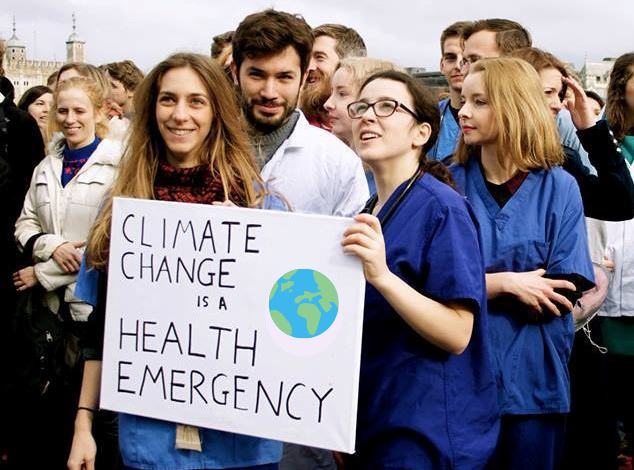
The escalating climate crisis is one of the biggest threats to global health security. Environmental changes act as a “threat multiplier,” exacerbating existing health problems and creating new ones.
- Vector-Borne Diseases: Rising global temperatures expand the geographic range of mosquitoes, ticks, and other vectors. Leading to increased incidence of diseases like dengue, malaria, and Zika.
- Air and Water Quality: Extreme weather events, pollution, and drought compromise food security and access to clean water and sanitation, leading to widespread malnutrition and waterborne illnesses.
3. The Dual Burden of Disease: NCDs and Health Inequity
Many low- and middle-income countries now face a “dual burden”—battling both traditional communicable diseases and a rapid increase in Non-Communicable Diseases (NCDs).
- NCD Surge: Conditions like heart disease, cancer, diabetes, and chronic respiratory diseases are now the leading causes of death worldwide, driven by changing lifestyles and poor health systems.
- Health Disparities: Universal Health Coverage (UHC) remains an elusive goal for many. Vulnerable populations—including those in conflict zones, low-income communities, and displaced groups—suffer disproportionately from poor access to essential medicines and quality care.
The Solution Framework: Embracing the “One Health” Approach
To truly solve complex global health issues, fragmented approaches focusing solely on human medicine are insufficient. The World Health Organization (WHO) champions the “One Health” concept, a unified framework that recognizes the deep interconnectedness between humans, animals, and the environment.
The philosophy behind One Health is simple: The health of people is inextricably linked to the health of animals and our shared ecosystems.
Key Focus Areas of One Health
- Zoonotic Disease Prevention: Recognizing that 75% of new infectious diseases originate in animals (like COVID-19 and Ebola), One Health promotes collaboration between human doctors, veterinarians, and environmental scientists to detect and prevent outbreaks at the source.
- Food Safety and Security: Ensuring the safe production, processing, and distribution of food requires a holistic view, linking agricultural practices, animal welfare, and human health.
- Environmental Stewardship: Protecting vital ecosystems, which provide clean air, fresh water, and medicinal resources, is understood as a fundamental pillar of human health.
Strategic Pathways for a Healthier World
Moving forward requires coordinated, multi-sectoral global action, emphasizing preparedness, equity, and sustainable investment.
1. Strengthening Primary Healthcare Systems
The bedrock of global health security is strong, resilient primary healthcare (PHC) at the community level. PHC is essential for delivering routine immunizations, providing maternal and child health services, and managing NCDs before they become critical.
2. Prioritizing Global Health Security and Preparedness
The next pandemic is inevitable; unpreparedness is not. Investment must be directed toward early detection, robust surveillance, and rapid response capabilities across all countries. This includes fully implementing the International Health Regulations (IHR).
3. Investing in Essential Research and Innovation
Addressing neglected diseases and overcoming AMR requires sustained funding for research and development (R&D). Innovation must focus on developing affordable diagnostics, vaccines, and treatments that are accessible to the most vulnerable populations.
In summary: Global health is a collective responsibility. By adopting the One Health model, addressing the deep-seated inequities that fuel health disparities, and investing in climate resilience, the global community can work toward the shared goal of achieving health and well-being for all at all ages, fulfilling a core pillar of the Sustainable Development Goals (SDG 3).
What specific global health challenge do you find most concerning and why?